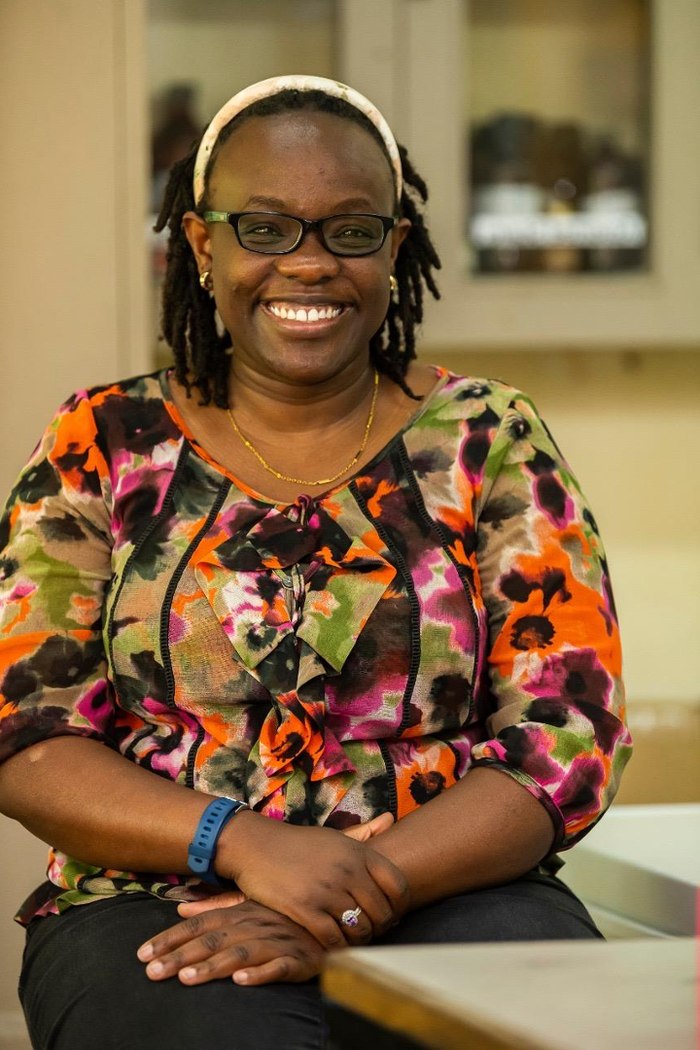
Dr. Mercy Akinyi
Kenyan Primate Veterinarian and Disease EcologistDr. Mercy Akinyi is a Kenyan primate veterinarian and disease ecologist leading a One Health zoonotic disease-surveillance project integrating human, wildlife, livestock, and environmental health in Kenya. With 19 years of clinical and field experience in natural and captive primate populations, she has led epidemiological surveillance programmes on zoonotic helminths, viruses, and protozoans. Her research focuses on disease-risk drivers in wild primates using parasitology, nucleic-acid extraction, PCR, and sequencing to support zoonosis control and primate conservation. As an African woman in STEM, she advances primatology while mentoring the next generation of women scientists in Africa.
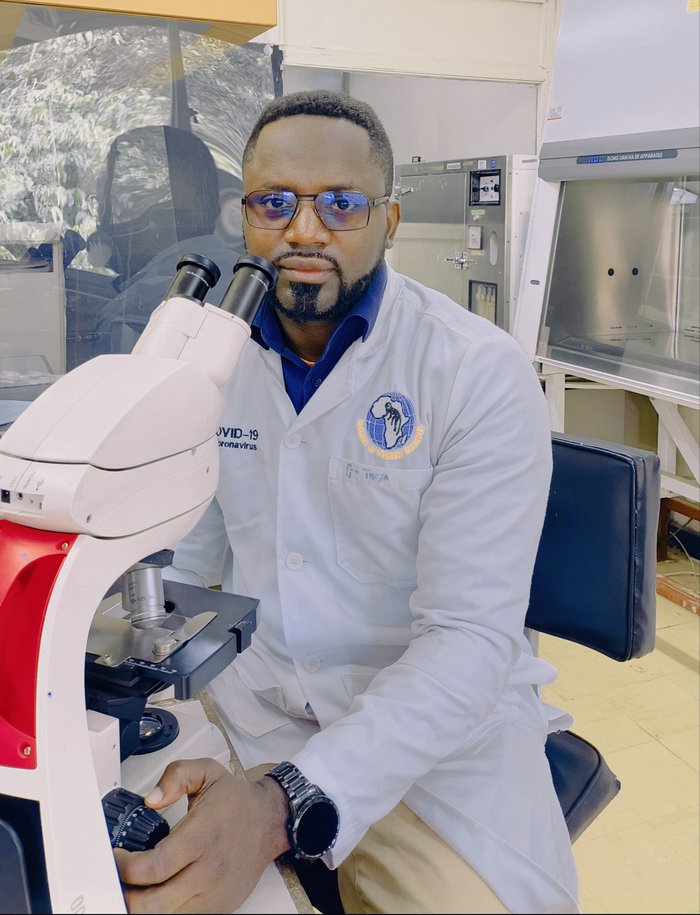
Gift Thoya Katana
Principal Laboratory TechnologistPrincipal Laboratory Technologist and Lab Manager at KIPRE, with a background in Industrial and Applied Biology from the Technical University of Kenya. Specializes in zoonotic research, including gastrointestinal nematodes in urban non-human primates, baboon models for childhood cryptosporidiosis, COVID-19 biobanking, and TRECOP. Also oversees lab operations, SOP development, and mentorship of students and interns.
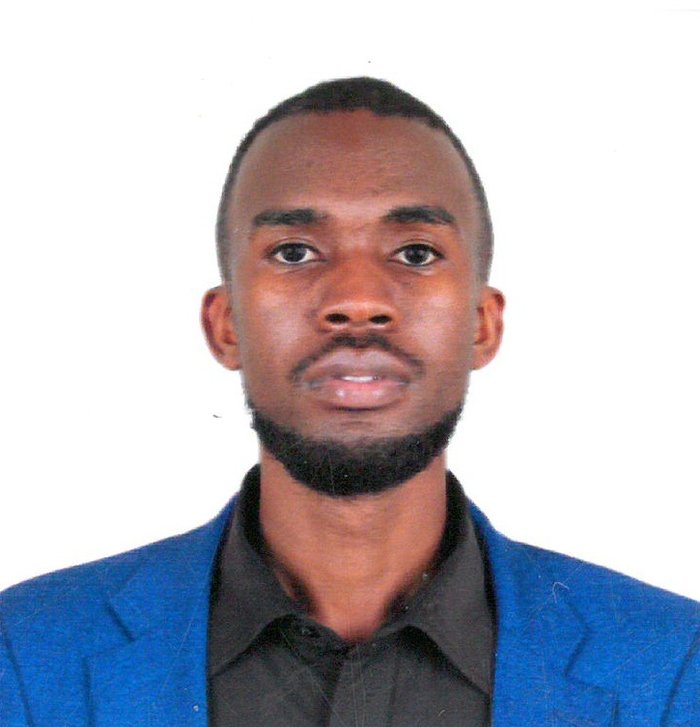
Arthur Israel Wafula
MSc. MicrobiologyMicrobiologist and Assistant Research Scientist at KIPRE (a WHO collaborating centre) under the Department of Reproductive Health & Biology, specializing in molecular biology, microbiology, and antimicrobial resistance (AMR). Experienced in DNA/RNA extraction, PCR, electrophoresis, sequencing, and scientific writing.

Maina Ashley Wendy
Veterinary Medicine ProfessionalSpecializes in laboratory animal science at KIPRE, contributing to clinical veterinary services, surgical support, and evidence-based animal care, including environmental enrichment and welfare programmes for baboons, vervet monkeys, rodents, and reptiles. Active member of the Kenya Laboratory Animal Science Association (KELASA).
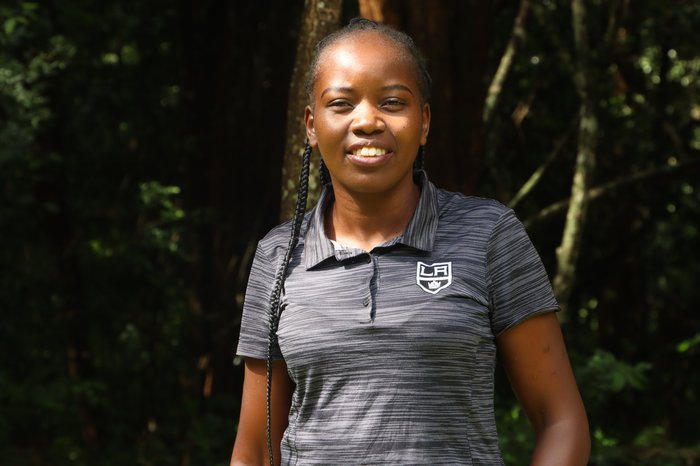
Caroline Jerono
Parasitologist, Entomologist & Biomedical/Molecular BiologistAssistant Research Scientist at KIPRE with over ten years of experience in parasitology, vector entomology, and biotechnology. Focuses on gastrointestinal parasite surveillance, sandfly mapping, and host-vector disease dynamics. Internationally certified biosafety professional and ISO 35001 Lead Auditor.

Mary N. Chege, MSc
Ph.D. Research FellowPh.D. Research Fellow at the One Health Centre, KIPRE, completing her Ph.D. in Bioinformatics at the University of Nairobi with affiliation to the University of Notre Dame's Archie Lab. Uses shotgun metagenomics to study host-microbe interactions, AMR, and gut microbiome stability in baboons and livestock. IFBA-certified in Biorisk Management.
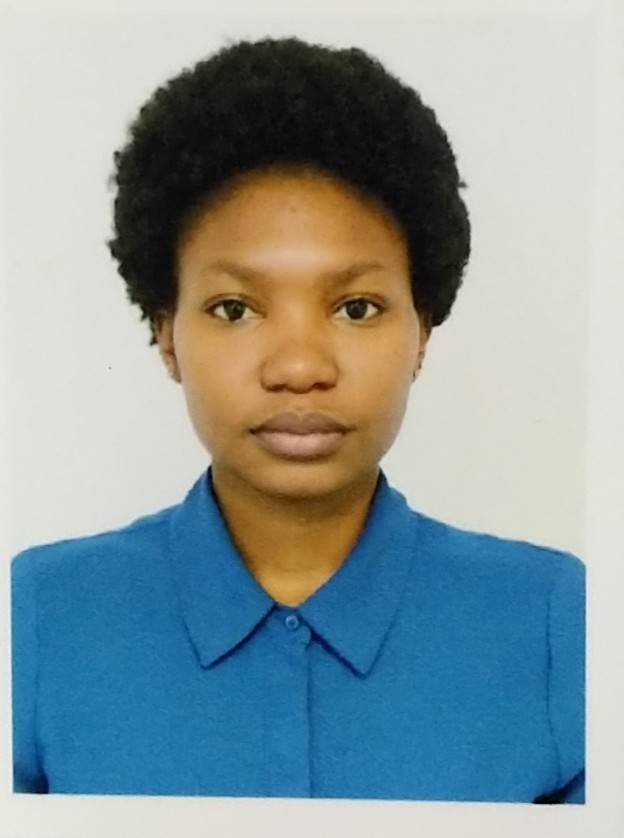
Purity Oreng'
Biomedical Researcher and Public Health ScientistAssistant Research Scientist at KIPRE, pursuing an MPH in Reproductive Health at Kenyatta University. Focuses on infectious diseases, reproductive health, and environmental exposures, with experience handling over 45,000 samples spanning COVID-19, ASFV, CCHFV, herpesvirus, malaria, and baboon gastrointestinal parasites.
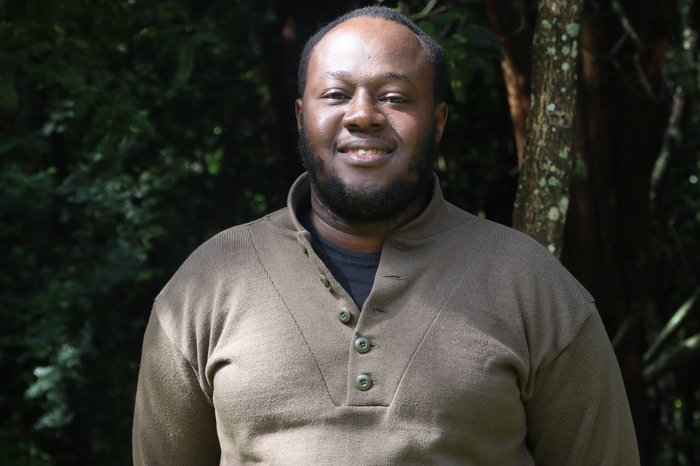
Sam Momanyi
Biomedical and Medical Microbiology ResearchAssistant Research Scientist at KIPRE with a background in Medical Microbiology. Works across PCR, DNA extraction, PBMC isolation, flow cytometry-based immunophenotyping, and biobanking. Trained phlebotomist who has contributed to cardiac monitoring in baboons, SARS-CoV-2 surveillance, and TRECOP.
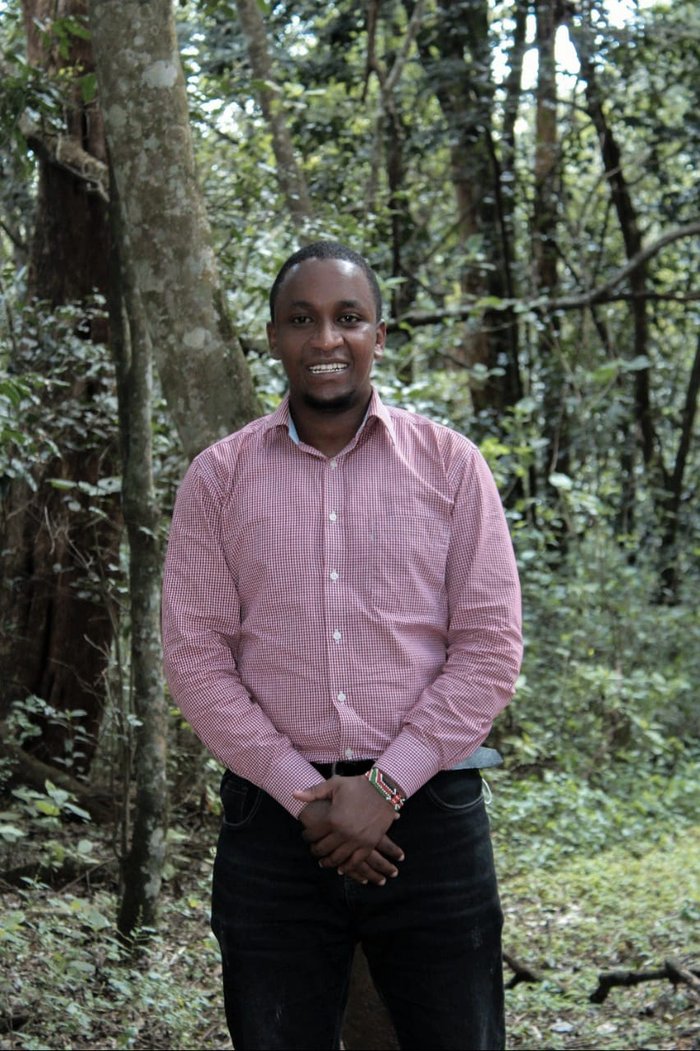
David Kiragu Mwaura
PhD Candidate — Genomics, Bioinformatics & One HealthAssistant Research Scientist at KIPRE, holding a BSc in Microbiology and Biotechnology (University of Nairobi) and an MSc in Bioinformatics and Molecular Biology (JKUAT). Developed DadApp, a Shiny application for paternity assignment in wild animal populations. PhD candidate at the University of Glasgow, studying rodent–virus ecology in Uganda.

Kelly Kanoe
GIS and Remote Sensing Specialist (MSc Candidate)Pursuing a Master's degree at Dedan Kimathi University, specializing in spatial analysis and environmental modeling. Proficient in ArcMap and QGIS, with a growing focus on integrating data science and machine learning with GIS to support sustainable, data-driven decision-making.
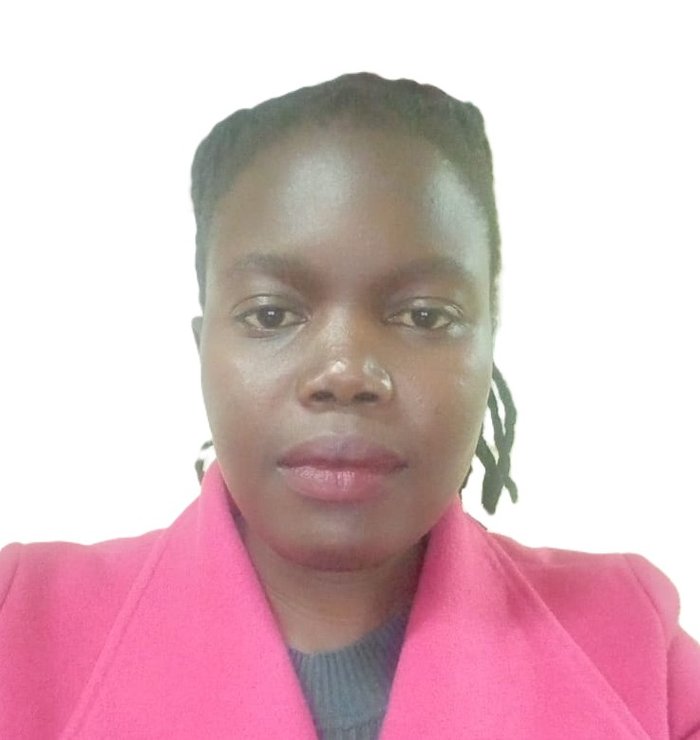
Pauline Muranditsi Otoli
Conservation Biologist & PrimatologistAssistant Research Scientist and Assistant Seminar Coordinator at KIPRE, pursuing an MSc in Biology of Conservation at the University of Embu. Focuses on primate ecology, human–wildlife coexistence, and zoonotic disease ecology. Awarded the 2025 Fonseca Species Conservation Grant for research on bushmeat trade in the lower Tana River.